
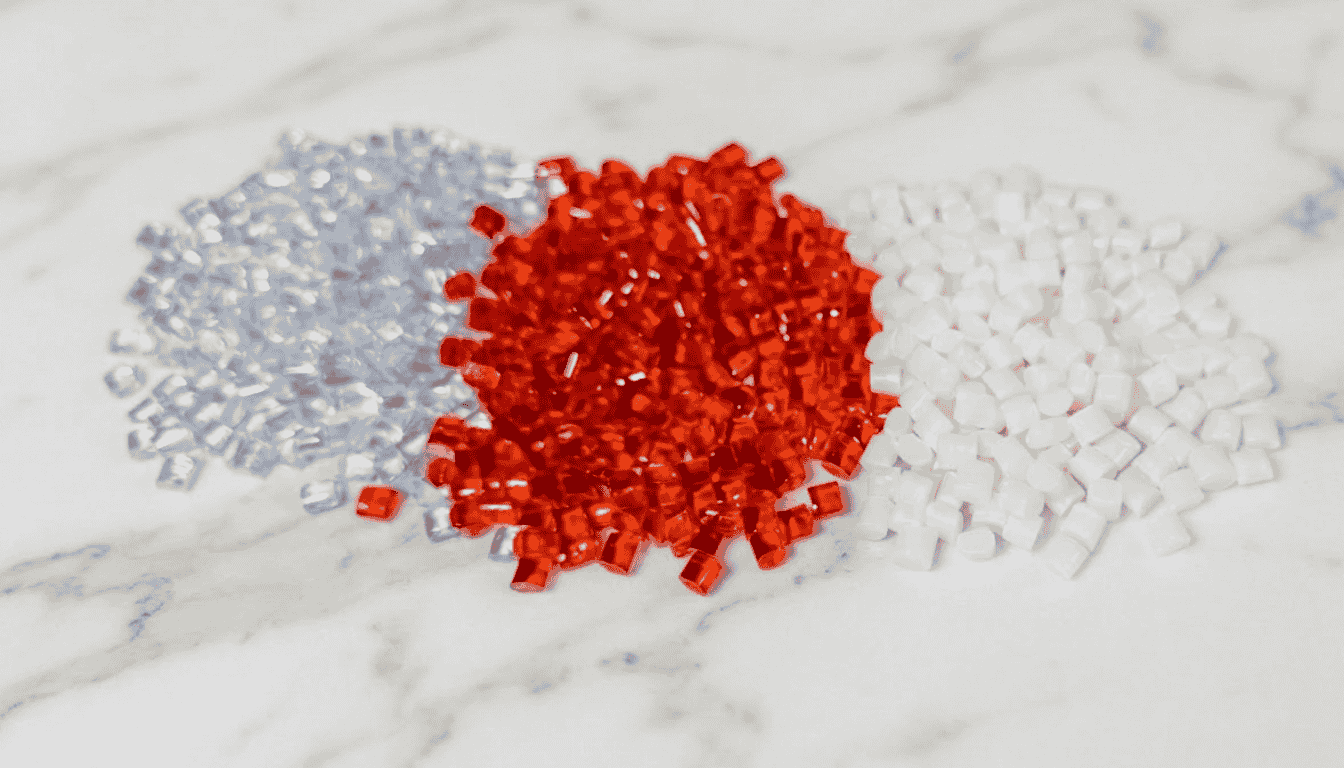
Modern motorcycles rely extensively on engineered plastic materials for both functional and aesthetic components.
Parts such as fairings, side covers, lighting lenses, and instrument housings are commonly manufactured using plastic due to their ability to provide lightweight performance, design flexibility, and cost-efficient mass production.
For product engineers and manufacturers in the motorcycle industry, selecting the appropriate material is a crucial step to ensure component durability, dimensional stability, and manufacturability in plastic injection molding.
Different thermoplastic materials offer varying performance characteristics, including impact resistance, heat resistance, chemical durability, and surface quality. Commonly used materials for motorcycle plastic components include ABS, polypropylene (PP), polycarbonate (PC), and polymethyl methacrylate (PMMA).
Understanding the properties and processing behavior of these materials allows engineers and procurement teams to select the most suitable option for different motorcycle plastic parts while maintaining production efficiency and consistent part quality.
Key Requirements for Motorcycle Plastic Materials
Before selecting materials for motorcycle plastic components, engineers and product development teams must evaluate several performance criteria to ensure long-term reliability and manufacturability. Factors such as mechanical strength, thermal resistance, chemical durability, and surface quality play a crucial role in determining whether a material is suitable for plastic injection molding in motorcycle applications.
1. Mechanical Strength and Impact Resistance
Motorcycle components are constantly exposed to vibration, road shocks, and occasional impacts during operation.
Therefore, materials used for motorcycle plastic parts must provide adequate toughness and structural strength to prevent cracking, deformation, or premature failure.
Components such as fairings, fenders, and side panels typically require thermoplastics with strong impact resistance to withstand mechanical stress during daily use and minor collisions while maintaining dimensional stability.
2. Thermal Stability
Certain motorcycle plastic components are located near heat-generating parts such as engines, radiators, or exhaust systems.
As a result, plastic materials must maintain their mechanical properties and dimensional stability when exposed to elevated temperatures.
Materials with good heat resistance help prevent issues such as warping, deformation, or loss of structural integrity during long-term operation.
3. Chemical Resistance
Motorcycle parts are frequently exposed to fuels, engine oils, cleaning chemicals, and road contaminants. Without adequate chemical resistance, plastic components may experience degradation, discoloration, or surface damage over time.
Selecting materials with strong chemical stability helps ensure long-term durability and reduces the risk of component failure in demanding operating environments.
4. UV and Weather Resistance
Exterior motorcycle plastic components are continuously exposed to sunlight, rain, humidity, and varying environmental conditions. Prolonged UV exposure can cause plastics to become brittle, fade in color, or lose mechanical strength.
Materials with good UV resistance or appropriate additives help maintain structural integrity and aesthetic quality throughout the product lifecycle.
5. Surface Finish and Aesthetic Requirements
Many motorcycle plastic components serve both functional and visual purposes. Parts such as fairings, covers, and trim panels must meet strict aesthetic standards in addition to mechanical performance.
Therefore, materials should support high-quality surface finishes, including textured molds, high-gloss surfaces, or painted coatings, depending on the design requirements and branding considerations.
Common Materials Used for Motorcycle Plastic Parts
Several thermoplastic materials are widely used in the manufacturing of motorcycle plastic components due to their balanced combination of mechanical performance, durability, and processing efficiency in plastic injection molding. Selecting the appropriate material depends on the functional requirements of the component, environmental exposure, and desired surface finish.
Below are some of the most commonly used plastics in motorcycle manufacturing.
Acrylonitrile Butadiene Styrene (ABS)
ABS is one of the most widely used materials for motorcycle plastic parts due to its excellent balance of impact resistance, dimensional stability, and surface quality. It is particularly suitable for components that require both structural performance and good aesthetic appearance.
Key characteristics of ABS include:
1. High impact resistance
2. Good dimensional stability during molding
3. Excellent paint adhesion
4. Smooth and consistent surface finish
Because of these advantages, ABS is commonly used for components such as:
1. Motorcycle fairings
2. Side covers
3. Instrument housings
4. Exterior body panels
The material’s ability to produce smooth surfaces and support painted finishes makes it especially suitable for visible motorcycle components where appearance and durability are both important.
Polypropylene (PP)
Polypropylene (PP) is a lightweight and cost-efficient thermoplastic widely used in motorcycle plastic components, particularly for parts that require chemical resistance and long-term durability in outdoor environments.
Important properties include:
1. Low density and lightweight structure
2. Excellent resistance to chemicals and moisture
3. Good fatigue resistance
4. High durability under environmental exposure
Typical applications for polypropylene in motorcycles include:
1. Inner panels
2. Battery covers
3. Chain guards
4. Underbody components
These applications benefit from the material’s durability, flexibility, and resistance to chemicals, fuels, and lubricants commonly encountered during motorcycle operation.
Polycarbonate (PC)
Polycarbonate (PC) is a high-performance engineering thermoplastic known for its exceptional impact strength and heat resistance. Compared with many standard plastics, PC provides significantly higher durability while maintaining good optical properties.
Key advantages include:
1. Extremely high impact resistance
2. Good thermal stability
3. Optical clarity for transparent parts
Because of these characteristics, polycarbonate is commonly used in applications such as:
1. Headlamp lenses
2. Transparent covers
3. Instrument panel housings
PC is particularly suitable for motorcycle components that require both structural strength and transparency, such as lighting systems and protective covers.
Polymethyl Methacrylate (PMMA)
Polymethyl methacrylate (PMMA), commonly known as acrylic, is valued for its excellent optical clarity, UV resistance, and weather stability. It is often selected for components where visual appearance and long-term transparency are important.
Key features include:
1. Excellent transparency
2. Strong UV and weather resistance
3. High surface hardness
Typical applications in motorcycles include:
1. Lighting lenses
2. Indicator covers
3. Decorative transparent components
Although PMMA offers superior clarity and scratch resistance, it is generally more brittle than polycarbonate, which means engineers must carefully evaluate impact requirements when selecting between these materials.
Engineering Plastic Blends for Motorcycle Components
In addition to standard thermoplastics, manufacturers sometimes use engineering plastic blends and reinforced materials to achieve specific performance requirements.
These materials combine the advantages of multiple polymers or reinforcements to improve properties such as impact resistance, heat stability, and structural strength for demanding motorcycle applications.
1. PC/ABS Blends
PC/ABS is a widely used engineering plastic blend that combines the high impact strength and heat resistance of polycarbonate (PC) with the good processability and surface finish of ABS.
This combination creates a material with improved mechanical performance compared to standard ABS while maintaining good molding characteristics.
Because of these advantages, PC/ABS blends are commonly used for high-quality motorcycle plastic components where both durability and appearance are critical.
Typical applications include:
1. Instrument panel housings
2. Structural interior panels
3. High-end exterior covers
These parts benefit from the material’s enhanced toughness, improved heat resistance, and good surface finish, making PC/ABS a popular choice in many automotive and motorcycle applications.
2. Glass Fiber Reinforced Plastics
For certain motorcycle components that require higher stiffness and structural performance, manufacturers may use glass fiber reinforced plastics. In these materials, short glass fibers are added to the polymer matrix to significantly improve mechanical strength and rigidity.
Key benefits of glass fiber reinforcement include:
1. Increased stiffness and structural strength
2. Improved dimensional stability
3. Better resistance to deformation under load
These materials are typically used in parts that must withstand higher mechanical stress while still maintaining the lightweight advantages of plastic components.
Examples of applications include:
1. Structural brackets
2. Reinforced housings
3. Mounting components
Glass fiber reinforced plastics allow manufacturers to achieve higher strength-to-weight ratios, making them suitable for demanding motorcycle parts that require both durability and weight reduction.
Design Considerations for Plastic Motorcycle Components
Selecting the appropriate material is only one part of developing reliable motorcycle plastic components.
Engineers must also consider design for manufacturability (DFM) to ensure that parts can be efficiently produced through plastic injection molding while maintaining dimensional accuracy and structural integrity.
Design factors such as wall thickness, rib structure, mold flow behavior, and surface finishing requirements all play a crucial role in determining the quality and consistency of the final molded component.
1. Wall Thickness Optimization
Maintaining uniform wall thickness is one of the most important design principles in injection molded parts. Consistent wall thickness allows plastic materials to cool evenly inside the mold, reducing internal stress and minimizing common molding defects.
Poor wall thickness design can lead to problems such as:
1. Warpage
2. Sink marks
3. Uneven shrinkage
4. Incomplete filling
By optimizing wall thickness during the design stage, engineers can significantly improve both part quality and manufacturing efficiency.
2. Rib Reinforcement
Structural ribs are commonly incorporated into plastic part designs to increase stiffness and mechanical strength without significantly increasing material usage or overall part weight.
Properly designed ribs help maintain structural performance while keeping the component lightweight, which is especially important for motorcycle parts where weight reduction and durability are both critical considerations.
3. Moldability
Different thermoplastics exhibit different melt flow characteristics during the injection molding process. Materials with poor flow behavior may require higher injection pressures or specialized mold designs.
Selecting materials with suitable flow properties helps ensure:
1. Efficient mold filling
2. Reduced risk of short shots
3. Consistent part quality in high-volume production
This consideration is particularly important when manufacturing complex motorcycle plastic components with thin walls or detailed geometries.
Surface Finish Requirements
Many motorcycle plastic parts must meet both functional and aesthetic requirements. Exterior components such as fairings, covers, and trim panels often require painted, textured, or high-gloss finishes.
Therefore, material selection and mold design must support the desired finishing process while maintaining surface quality and dimensional stability.
Proper consideration of surface finish requirements helps ensure that the final component meets both engineering and visual design standards.
Selecting Materials for Different Motorcycle Parts
Different motorcycle plastic components require different material properties depending on their functional requirements, environmental exposure, and structural demands.
Engineers must evaluate these factors carefully to ensure that each component achieves the desired balance of mechanical performance, durability, and manufacturability in injection molding production.
Below are common material selections used for various motorcycle plastic parts:
1. Fairings: ABS or PC/ABS, selected for their high impact resistance and excellent surface finish, making them suitable for visible exterior components.
2. Fenders: Polypropylene (PP), preferred due to its flexibility, lightweight properties, and resistance to environmental exposure.
3. Headlamp lenses: Polycarbonate (PC) or PMMA, chosen for their optical clarity, impact resistance (PC), and UV stability (PMMA).
4. Instrument housings: Polycarbonate (PC), used for its dimensional stability, strength, and heat resistance.
5. Inner covers: Polypropylene (PP), suitable for internal components requiring chemical resistance, durability, and cost efficiency.
Each of these materials is selected based on its specific performance characteristics. For example, ABS and PC/ABS are often used for exterior panels due to their impact resistance and good surface finish, while polypropylene is preferred for internal components because of its lightweight structure, chemical resistance, and cost efficiency.
Polycarbonate and PMMA are typically chosen for lighting components because of their optical clarity and durability.
Proper material selection helps ensure optimal performance, long-term durability, and efficient manufacturing processes in motorcycle component production.
Technical Consultation & RFQ Support for Motorcycle Plastic Parts
For OEMs and component suppliers developing motorcycle plastic components, early collaboration with an experienced manufacturing partner can significantly improve both material selection and product design for injection molding.
Engaging in technical discussions during the early stage helps ensure that factors such as wall thickness design, structural reinforcement, material performance, and moldability are properly evaluated before tooling development begins.
Banshu Plastic Indonesia supports motorcycle plastic injection molding projects through structured Design for Manufacturability (DFM) evaluation, material selection guidance, and optimized mold engineering.
This approach helps ensure that components such as fairings, housings, covers, and other motorcycle plastic parts can be manufactured with stable dimensional accuracy, reliable performance, and consistent production quality.
Manufacturers and product development teams can submit their 2D or 3D part drawings for a technical feasibility review or request RFQ support to evaluate the most appropriate material options, tooling strategy, and mass production capability for their motorcycle components.
Through a systematic engineering assessment, our team helps OEMs and suppliers make more informed sourcing decisions while ensuring efficient, repeatable manufacturing performance in high-volume motorcycle parts production.