
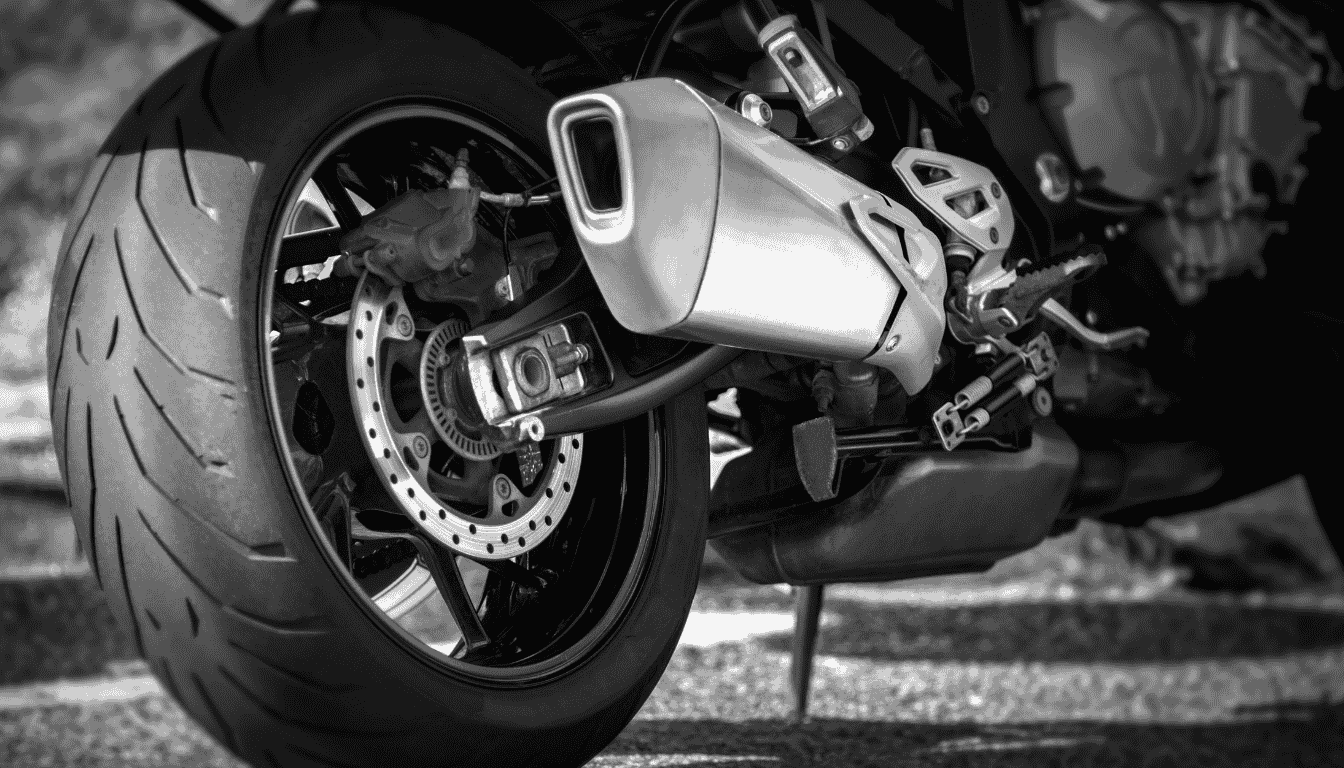
Plastic injection molding is a core manufacturing technology in modern motorcycle production. As motorcycles continue evolving toward reduced mass, improved aerodynamics, and higher durability standards, thermoplastic components have progressively replaced many traditional metal parts in cosmetic, semi-structural, and functional assemblies.
Through precision-controlled processing parameters and engineered tooling systems, manufacturers can deliver consistent, high-quality components suitable for OEM plastic injection molding programs and large-scale production of motorcycle auto parts.
From exterior body panels and fairings to engine-adjacent housings and air management components, injection-molded plastics are now fundamental to both OEM and aftermarket supply chains.
By integrating material engineering, dimensional control, and scalable production planning, suppliers can meet performance, cost, and lifecycle requirements across high-volume motorcycle platforms.
The Role of OEM Plastic Injection Molding in Motorcycle Manufacturing
In OEM production environments, plastic components must comply with strict dimensional tolerances, durability targets, and regulatory requirements.
Unlike low-volume custom manufacturing, OEM plastic injection molding prioritizes process stability, statistical consistency, and long-term lifecycle validation.
Key objectives include:
1. High repeatability across large production volumes
2. Tight tolerance control for precise assembly integration
3. Stable material performance throughout the product lifecycle
4. Optimized cost efficiency at scale
Motorcycle manufacturers depend on engineered tooling systems, validated resin grades, and tightly controlled processing parameters to ensure uniform part performance across thousands or even millions of units.
Process capability, shrinkage control, cooling balance, and mold durability are critical factors in maintaining dimensional consistency and minimizing production variation in high-volume motorcycle programs.
Major Motorcycle Auto Parts Produced by Injection Molding
Injection molding is used to manufacture a wide range of motorcycle auto parts across exterior, engine, lighting, and electrical systems. The process enables high dimensional consistency, integrated features, and scalable OEM production.
1. Body Panels and Fairings
Examples:
a. Front fairings
b. Side covers
c. Rear cowls
d. Fender panels
Common Materials
a. Acrylonitrile Butadiene Styrene (ABS)
b. Polypropylene (PP)
Engineering Requirements
a. High impact resistance
b. UV stability for outdoor exposure
c. Paint adhesion compatibility
d. Dimensional accuracy for frame alignment
ABS is widely used in OEM plastic injection molding for painted exterior components due to its rigidity and surface finish quality, while PP is selected for its chemical resistance and lower density.
2. Instrument Panel and Meter Housing
Instrument clusters and dashboard housings protect electronic assemblies and must maintain tight alignment tolerances.
Typical Materials
a. Polycarbonate (PC)
b. PC/ABS blends
Performance Requirements
a. Heat resistance from solar exposure
b. Impact strength
c. Flame retardancy compliance
d. Tight tolerances for PCB mounting
Injection molding allows internal bosses, ribs, and snap-fit features to be integrated, minimizing secondary operations.
3. Headlamp and Lighting Components
Lighting assemblies are safety-critical motorcycle auto parts requiring both structural strength and optical precision.
Parts Include
a. Headlamp lenses
b. Reflector housings
c. Mounting brackets
Materials Used
a. Polycarbonate (PC)
b. Polybutylene Terephthalate (PBT)
Engineering Considerations
a. Optical clarity
b. UV resistance
c. Heat resistance
d. Dimensional stability under thermal cycling
PC is commonly used for lenses due to its transparency and impact strength, while PBT provides thermal stability and electrical insulation.
4. Air Intake and Engine-Adjacent Components
Engine-area parts operate under elevated temperature, vibration, and chemical exposure.
Examples
a. Air filter housings
b. Intake ducts
c. Engine covers
Typical Materials
a. Polyamide (PA6 or PA66), often glass-fiber reinforced
Technical Requirements
a. High Heat Deflection Temperature (HDT)
b. Creep resistance under continuous load
c. Chemical resistance to fuel vapor and oil
d. Vibration durability
Glass-filled polyamide enhances stiffness and structural capability, making it suitable for semi-structural OEM components.
5. Chain Guards and Protective Covers
Chain guards combine safety function with lightweight design.
Material Options
a. Reinforced PA
b. Reinforced PP
Key Requirements
a. Impact resistance
b. Structural rigidity
c. Long-term vibration durability
Injection molding enables rib reinforcement to be integrated directly into the geometry, improving strength-to-weight efficiency.
6. Battery Covers and Electrical Enclosures
Electrical protection is essential in motorcycle auto parts manufacturing.
Common Materials
a. Flame-retardant PC
b. Polybutylene Terephthalate (PBT)
Engineering Criteria
a. Electrical insulation
b. Flame retardancy (e.g., UL94 classification)
c. Thermal stability
d. Dimensional precision
Engineering-grade polymers are often required to meet OEM safety and compliance standards.
7. Handlebar Switch Housings
Switch housings demand high dimensional control and ergonomic surface finishing.
Materials
a. ABS
b. PC/ABS blends
Technical Considerations
a. Precision snap-fit integration
b. UV resistance
c. Resistance to sweat and environmental exposure
d. Consistent actuation performance
Injection molding supports complex internal geometries and fine detailing necessary for reliable switch functionality in high-volume OEM production.
Material Selection in Motorcycle OEM Programs
Material selection for motorcycle auto parts in OEM programs requires a structured engineering evaluation based on functional load cases, environmental exposure, and long-term durability targets. The selected resin must align with both performance specifications and manufacturing capability.
Key criteria include:
1. Thermal Exposure
Components located near the engine, exhaust routing, or lighting systems require materials with elevated Heat Deflection Temperature (HDT) and stable mechanical properties under sustained thermal cycling.
2. Mechanical Load
Structural mounting features, brackets, and semi-load-bearing housings demand high tensile strength, flexural modulus, and creep resistance particularly under vibration and continuous stress.
3. Environmental Conditions
Exterior components must withstand UV radiation, moisture ingress, temperature fluctuation, and road contaminants without embrittlement, discoloration, or surface degradation.
4. Chemical Resistance
Exposure to fuel vapor, lubricants, cleaning agents, and atmospheric pollutants must not compromise polymer integrity or dimensional accuracy.
5. Dimensional Stability
Critical assembly interfaces require predictable shrinkage behavior, low warpage tendency, and consistent mold flow characteristics to maintain tolerance stack-up control.
In OEM plastic injection molding programs, these criteria are validated through resin datasheet evaluation, mechanical and environmental testing protocols, and defined process control standards.
Material qualification typically includes thermal aging tests, impact validation, chemical exposure assessment, and statistical process capability verification to ensure long-term production stability.
Manufacturing Considerations for OEM Plastic Injection Molding
High-volume motorcycle auto parts production requires a manufacturing strategy focused on process stability, tooling durability, and cycle-time optimization. In OEM plastic injection molding programs, consistency and scalability are non-negotiable.
Key manufacturing considerations include:
1. Multi-Cavity Mold Design
Multi-cavity tooling improves output efficiency and lowers cost per part in large production runs. Balanced runner systems are critical to ensure uniform filling behavior and minimize part-to-part variation across cavities.
2. Optimized Cooling Channels
Cooling system design directly impacts cycle time, dimensional stability, and warpage control. Conformal or strategically positioned cooling channels help maintain uniform mold temperature distribution, reducing residual stress and improving repeatability.
3. Gate Design and Location
Proper gate sizing and positioning are essential to:
a. Minimize weld lines
b. Prevent flow hesitation and short shots
c. Control cosmetic appearance on visible surfaces
d. Reduce internal stress concentration
Gate strategy must align with material flow characteristics and part geometry, especially for large exterior panels or thin-wall components.
4. Tool Steel Selection for Abrasive Materials
When processing glass-fiber reinforced polyamide or other abrasive engineering plastics, hardened tool steel (e.g., H13 or equivalent grades) is required to resist wear, maintain dimensional accuracy, and ensure long-term mold integrity.
Process consistency is fundamental to maintaining uniform part quality across extended production runs. In OEM environments, this involves:
a. Controlled melt temperature and injection pressure profiles
b. Scientific molding validation
c. Process capability monitoring
d. Preventive mold maintenance scheduling
By integrating robust tooling engineering with disciplined process control, manufacturers can ensure stable production performance for high-volume motorcycle programs while protecting lifecycle cost efficiency.
Plastic injection molding is fundamental to the production of modern motorcycle auto parts. Through OEM plastic injection molding, manufacturers can deliver lightweight, corrosion-resistant, and structurally optimized components with high repeatability and scalable cost efficiency critical factors in competitive motorcycle platforms.
From exterior fairings and lighting assemblies to engine-area housings and electrical enclosures, injection-molded thermoplastics support high-performance motorcycle manufacturing across both OEM and aftermarket supply chains.
Successful implementation depends on disciplined material selection, precision-engineered tooling, and tightly controlled processing parameters to consistently meet the mechanical, thermal, and dimensional requirements of OEM production environments.
Technical Consultation & RFQ Support for OEM Motorcycle Auto Parts
In OEM motorcycle programs, component performance is directly influenced by early-stage decisions related to material selection, mold engineering, and process capability.
For high-volume motorcycle auto parts production, early technical alignment is critical to prevent dimensional deviation, cosmetic defects, premature tool wear, and long-term production instability.
Banshu Plastic Indonesia supports motorcycle OEMs and Tier suppliers through a structured, engineering-driven evaluation process, including:
1. Design for Manufacturability (DFM) review based on part geometry and wall thickness distribution
2. Material suitability assessment (ABS, PP, PC, PA6/PA66, glass-filled grades, flame-retardant resins)
3. Mold design optimization including gate strategy, cooling layout, and shrinkage compensation
4. Tolerance stack-up evaluation for frame integration and multi-part assemblies
5. Production scalability analysis for multi-cavity tooling and cycle time efficiency
Our engineering team collaborates directly with customers to review:
1. 2D and 3D part drawings
2. Critical-to-quality (CTQ) dimensions and assembly interfaces
3. Thermal, mechanical, and environmental exposure requirements
4. Projected annual production volumes and ramp-up plans
5. Target cost objectives and lifecycle expectations
This structured technical validation ensures that tooling strategy, resin selection, mold steel specification, and processing parameters are aligned before capital investment is committed minimizing risk in OEM plastic injection molding programs.
Whether you are developing exterior fairings, lighting housings, engine-adjacent components, or electrical enclosures, we provide systematic feasibility assessment based on:
1. Mechanical load and creep performance
2. Heat Deflection Temperature (HDT) requirements
3. UV, moisture, and chemical resistance
4. Dimensional stability and long-term process capability
5. Total cost of ownership across mass production lifecycle
Submit your 2D/3D drawings for a technical feasibility review or request consultation support for your RFQ process. Our team provides a data-driven engineering assessment to strengthen sourcing decisions and ensure stable, high-volume motorcycle auto parts production.