
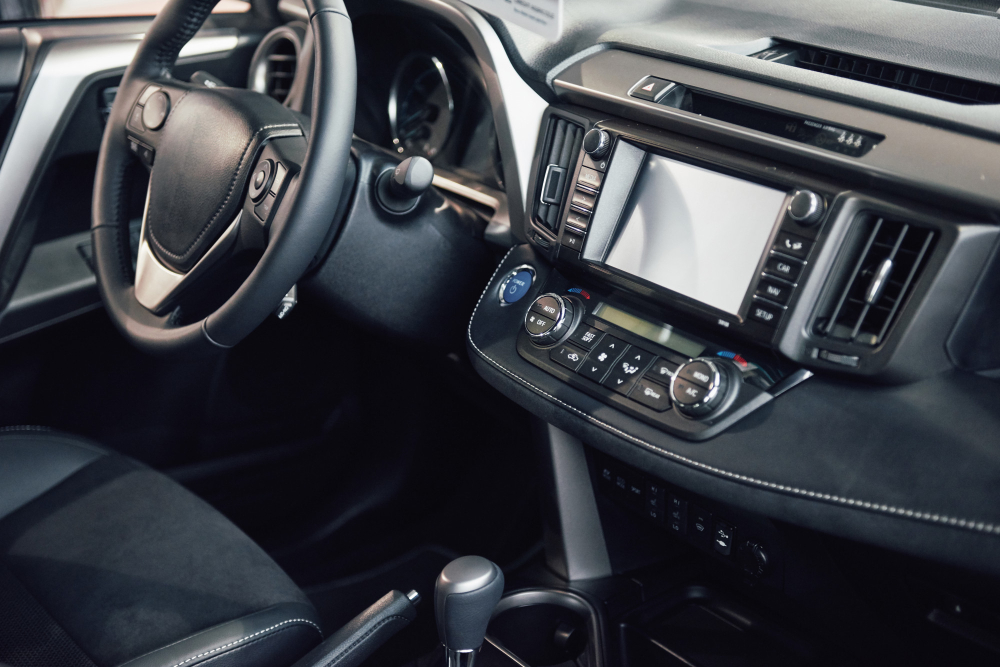
What holds cars together isn’t always metal. Inside, you’ll find plastic shaping the dashboard, lining doors, out back, it forms bumpers, wraps around body sections.
Lighter builds come from these pieces fitting into one system, saving money while doing more than one job at once. Yet differences matter greatly between those inside and outside roles. A frequent error? Assuming both kinds need identical methods when shaped during production.
Exterior automotive plastic parts deal with weather, while inside ones handle touch and look. Mold shapes shift based on where the part lives. Materials change too,one resists sun, another resists wear. Production stays steady only when teams grasp such gaps. Car makers and their partners must get this right every time.
Understanding Automotive Plastic Parts in Modern Vehicles
Plastics show up more and more inside cars, pushed by needs like cutting down weight, using less fuel, maybe shaping pieces in ways metal can’t. Right now, these plastic car parts handle about three big jobs:
1. Aesthetic and tactile experience (interior components)
2. Structural and protective performance (exterior components)
3. Snaps fit together where parts hold tight without screws.
Housings wrap around components like shells. Brackets lock pieces into place using ridges. Assemblies join multiple sections so they work as one
Folks who make parts lean hard on accurate injection molding because it holds close specs, runs consistently, leaves room to grow. Still, what matters most shifts sharply when comparing inside pieces versus outside ones.
Interior Automotive Plastic Parts: Molding Challenges
Inside a car, plastic pieces catch your eye first. These bits sit where people touch them every day - so how they look and fit has to be just right.
1. Aesthetic and Surface Quality Needs
Smooth finishes matter a lot on car interior plastics. Dashboards show up often, also found are center consoles, door panels, pillar trims too.
Surface quality? It has to be nearly perfect - almost always. Little flaws like streaks from material flow might get noticed right away. Lines where melted plastic meets during molding sometimes cause issues.
Sunken spots after cooling create problems just the same. Uneven shine across the surface gets flagged during checks. Any of these could lead to scrapping the piece completely.
This way of shaping things works like that:
a. Gate locations must avoid visible surfaces
b. Keeping the flow steady needs close attention
c. Mold surface polishing or texturing must be consistent
Finding that smooth result every time machines run nonstop? Tough part of making inside parts by injecting plastic. Machines must perform without fail, yet perfection slips often.
2. Tight Dimensions and How Parts Fit Together
Faultless fit matters where interior pieces meet nearby parts. Any gap shows up fast - a red flag during factory inspections. Misaligned sections stand out just as much. Warped shapes? They do not pass. Precision decides what gets approved.
Key risks include:
1. Warpage due to uneven cooling
2. Shrinkage variation across large flat surfaces
3. Tolerance stack-up during assembly
Built right, molds run cooler when timing hits just right - tight control keeps things steady. Cooling lines do their job if spaced well, making flaws less likely. Process stays put, even under pressure, because balance matters most.
3. Material and Regulatory Limits
Inside car plastic bits often come from stuff like ABS, PP, and PC. Yet strength isn’t the only thing that matters, looks matter too.
Heat resistance plays a role since sun exposure warms up dashboards fast. Smell counts more than you might think; nobody likes a chemical stink. Recyclability sneaks into decisions now and then.
Surface finish affects how light bounces off center consoles. Weight stays on engineers’ minds during material picks. Some plastics fog less on windows when warmed. Durability under UV rays separates okay choices from better ones. Cost quietly shapes what ends up in production models:
1. Low VOC (volatile organic compounds)
2. Low odor emissions
3. Heat aging resistance
4. Color stability over time
Mold shapes shift because stuff acts differently when heated. That changes how machines must work inside. Each detail adds more steps to plan. Inside corners grow trickier the moment materials react unexpectedly.
Challenges in Molding Plastic Parts for Automotives
Facing sun, rain, or bumps outside plastic pieces take constant punishment. Not just strength matters; looking good over years counts too.
1. Resists environmental and weather conditions
Fenders, headlights, side mirrors, outdoor plastic bits on cars take a beating. Sunlight beats down on them day after day.
Rain soaks them just as often. Then there is road salt slicing through winter months. Dust kicks up every time vehicles roll forward.
Heat waves warp surfaces when temperatures climb high. Cold snaps make materials brittle without warning. Bugs splatter and stick during long drives. Tree sap drips without care where it lands. Even car wash brushes scrape slightly each round:
1. UV radiation
2. Temperature extremes
3. Water falling from clouds mixes with damp air. Meanwhile, stuff sprayed on streets sticks to surfaces. Together, these elements creep into materials slowly.
Built to face the elements, these materials hold up when tested by time. Year after year on the road, molded pieces keep strength and finish without fading or weakening.
2. Mechanical Strength and Impact Performance
Besides handling daily wear, outer pieces must survive dents from gravel or minor bumps on the road. Getting those shapes right involves tricky hurdles like:
1. Maintaining impact resistance at low temperatures
2. Preventing brittle failure
3. Reinforcing structural areas without excessive weight
Thicker sections melting into thinner ones need attention when shaping plastic parts. Ribs built into the mold can cause issues if not shaped right. Fibers inside strengthened materials line up during flow, changing how strong things get.
3. Surface Finish and Durability Balance
Fresh coats usually cover outside pieces. That means molders must think ahead about how things go together:
1. Surface quality must support paint adhesion
2. Faint lines show up under coating sometimes. Pressure trails can appear after painting too. Marks from material movement might reveal themselves later. Dents caused during shaping often come through finish work. Shadows of mold flaws emerge on surface coats now and then.
3.Texture must balance appearance with scratch resistance
Poured just right every time, precision molding keeps surfaces smooth without surprises later. Flow stays even so fixes after aren’t needed near as often.
Interior versus Exterior Injection Molding Differences
One depends on injection molding, yet the other follows a different path despite using similar tools. Their goals pull them apart even when methods look alike:
1. Fine looks matter most inside cars, yet touch plays a role too. Shape must stay exact, because small shifts cause issues later. Smoothness under fingers counts just as much as how things appear at first glance. Precision fits quietly into place when everything lines up right.
2. Starting off strong, car body plastics must handle rough conditions without failing. Built tough, these pieces shrug off weather extremes while holding their shape under stress. What matters most? Long-lasting function even when pushed hard outside. From sunblast to icy roads, they perform where it counts. Strength isn’t optional, it’s built right in.
This difference shows up right away when choosing materials, shaping molds, working out processes, checking results, watching consistency. Using one approach for two different jobs usually brings mistakes, lots of wasted parts, trouble down the road.
Precision Injection Molding Matters for Multiple Uses
Even though they differ, inside and outside car pieces rely on careful injection molding to hit industry targets. What makes it precise isn’t just how strong the machine is - it’s how well everything works together:
1. Robust mold design with optimized cooling
2. Stable and repeatable process parameters
3. Maintaining exact conditions means watching heat closely - then adjusting force steadily throughout each run. Precision comes from syncing duration with care, moment after moment. Stability shows when settings hold without drifting off track
4. Consistent quality monitoring in mass production
When cars are built fast and in big numbers, tiny changes might cause serious problems.
Because injection molding is so accurate, the room for error gets bigger, keeping output steady over time.
Common Manufacturing Errors in Automotive Plastic Parts
Few realize how tricky it gets when indoor and outdoor moldings are treated the same. Problems pop up like warped edges or peeling surfaces - once weather hits what was meant for inside walls. Misjudging humidity shifts leads some makers down a rough path.
Others skip material testing only to face cracks later on. Choosing cheap bases invites swelling where moisture gathers.
Skipping protective layers means sun fades colors faster than expected. Small errors grow large once installed under open skies. What works indoors often fails outdoors without changes:
1. Using similar mold concepts for visually critical and structurally critical parts
2. Focusing on machine capacity rather than engineering capability
3. Focusing on immediate expenses instead of how things hold up over time
4. Underestimating cosmetic risk in interior components
Faulty choices lead to endless tweaks on molds, halted output, poor consistency. Machines sit idle when changes stack up too fast.
Choosing a Molding Partner What OEMs Need to Consider
When sourcing automotive plastic parts, OEMs and Tier suppliers should evaluate partners based on:
1. Proven experience with both interior and exterior components
2. Strong mold engineering and process development capabilities
3. Expertise in precision injection molding for mass production
4. Grasping how car quality standards work comes from being part of multi-year initiatives. 5. These efforts shape the way teams meet strict requirements over time
A strong mold maker doesn’t just build components; they create consistent, reliable production systems.
Different Parts Different Challenges One Process
Outside car plastics battle weather, UV rays, dirt. Inside pieces handle touch, heat, comfort needs. Each type lives in its own world. Mistaking one for the other? That brings trouble. Mass-making them wrong spikes expense. Assumptions open doors to failure.
Still, each depends on a single core element: precise injection molding. With strong mold engineering paired to strict production oversight and deep industry knowledge, vehicle makers maintain steady standards, long-lasting parts made reliably at scale, all rooted in that method.
Right choices start with seeing how things differ, material, tools, method, who builds it. That clarity shapes what lasts in auto making.
Banshu Plastic Indonesia Engineering Focused Plastic Molding
Banshu Plastic Indonesia brings two decades of hands-on work in car part manufacturing using molded plastics. Starting strong in tough industry conditions, their team consistently meets exacting specs for appearance and performance.
Quality does not slip, even under pressure from large scale runs. Programs for original equipment makers and major suppliers rely on steady output month after month. Long term results prove capability beyond initial promises.
Precision stays sharp year after year. Just off the main road through Cikarang, inside Jababeka Industrial Park, you will find Banshu Plastic running its operations. This spot was chosen on purpose, close to supply chains and transport links that matter.
From here, production flows into both local markets and faraway countries alike. Cars made nearby rely on parts shaped right here in this facility. Engineering guides every step instead of guesswork or shortcuts. Each piece is built with precision because systems are locked in place.
Banshu Plastic linked to Indonesia's mold and dies network through IMDIA membership
- Consistent tooling quality
- Continuous process and engineering improvement
- Alignment with global automotive manufacturing best practices
Banshu Plastic holds tight to high standards, shown through global recognition like IATF 16949:2016. Quality isn’t guessed here, it’s built into every step because ISO 9001:2015 guides the way.
Even nature gets a voice, thanks to rules spelled out in ISO 14001:2015.
When shaping fresh plastic components through injection, hurdles often pop up. Defects repeat themselves without warning. Long runs for OEMs or their suppliers demand steady planning.
Banshu Plastic Indonesia stands close by in such moments. Trust forms easily when engineers speak the same language. Quality matters deeply here, never treated lightly. Stability in output isn’t hoped for, it’s built.
Risks get studied before molds ever run. Production doesn’t just move, it holds its ground. Start by reaching out to Banshu Plastic Indonesia when you want to talk through what comes next.